
When to Get Help: 911, ER, Urgent Care or Your Doctor
In a real emergency, minutes matter. This page gathers warning signs from the CDC and MedlinePlus so you can recognize them quickly and know which kind of care fits. It is general education, not a diagnosis.
If you think someone's life may be in danger, do not keep reading: call 911 or your local emergency number now.
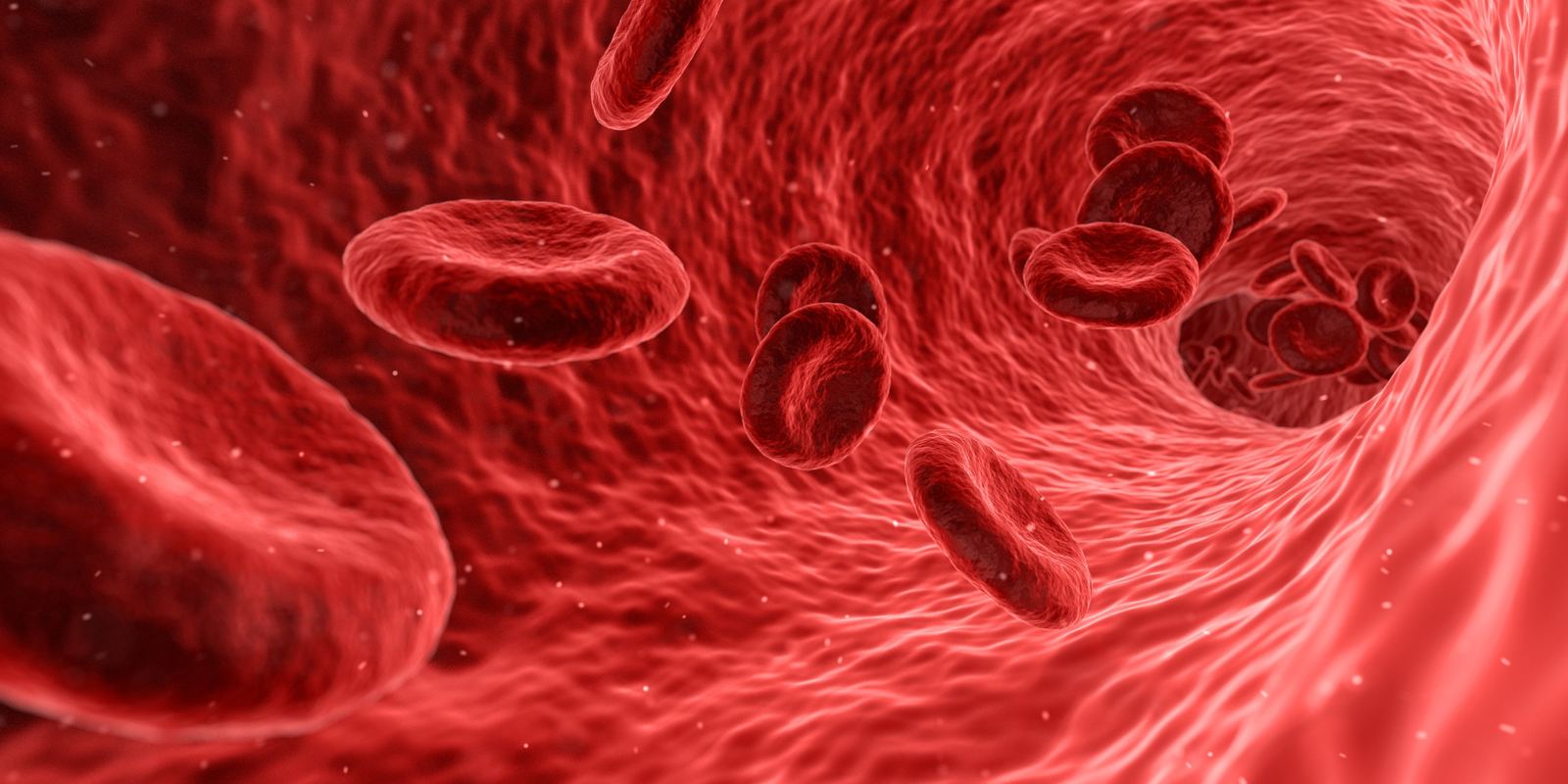
Red blood cells on the move: Arek Socha, CC0

Emergency? Call 911 (or your local emergency number) right away. With stroke or heart attack signs, do not drive to the hospital; the CDC advises calling for an ambulance so treatment can start on the way. Microscopic Doctor is general education and cannot assess your symptoms.
Call 911 now for these signs
Drawn from MedlinePlus and CDC lists of emergency warning signs. If in doubt, call.
Chest pain or pressure
The CDC lists chest pain or discomfort, often in the center or left side, that lasts more than a few minutes or goes away and comes back. Other signs include feeling weak, light-headed or faint, a cold sweat, pain in the jaw, neck, back, arms or shoulders, and shortness of breath.
Stroke signs: BE FAST
The CDC uses B.E. F.A.S.T.: Balance loss, Eye or vision changes, Face drooping on one side, Arm drifting down, Speech slurred or strange, Time to call 911. Note when symptoms started, because the stroke treatments that work best need the stroke recognized within 3 hours.
Trouble breathing or choking
Difficulty breathing, severe shortness of breath, choking or stopped breathing are emergencies on the MedlinePlus lists. So is bluish or grey skin in a child.
Sudden changes in the brain
Fainting or passing out, sudden confusion, suddenly not being able to speak, see, walk or move, or a seizure lasting more than 1 minute all need emergency help, according to MedlinePlus.
Serious injury or bleeding
Bleeding that will not stop, a head injury with passing out or confusion, a neck or spine injury, a severe burn, electric shock, or a deep wound are on the MedlinePlus emergency lists.
Severe allergic reaction or poisoning
A severe allergic reaction with trouble breathing, swelling or hives is an emergency, as is swelling of the face, eyes or tongue. Poisoning or an overdose is also on the MedlinePlus list of reasons to call 911 or go to an emergency department.
Which kind of care fits
General guidance from MedlinePlus. Your insurance plan or employer may also run its own nurse advice line.
Emergency department (ER)
For problems where a person could die or be permanently disabled, such as the signs above. MedlinePlus notes that ER care can cost 2 to 3 times or more than the same care at your provider's office, so it is best kept for true emergencies.
Urgent care clinic
MedlinePlus says urgent care can handle common mild illnesses such as colds, flu, earaches, sore throats and low-grade fevers, and minor injuries such as sprains, minor cuts and burns, when you cannot see your own provider soon enough.
Your doctor or primary care provider
For checkups, long-term conditions and symptoms that are not urgent but worry you. If you are not sure what to do and none of the serious signs apply, MedlinePlus suggests contacting your provider; after hours, your call may be forwarded to a nurse.
Nurse advice line
Many health plans and employers sponsor a nurse advice line. MedlinePlus lists it as one of the options to consider when an unexpected illness or injury comes up.
Help lines to save in your phone
988 Suicide and Crisis Lifeline
If you or someone you know is thinking about suicide or is in emotional distress, call or text 988 or chat at 988lifeline.org. MedlinePlus describes it as free and confidential support, available 24/7.
Poison Help
If you suspect someone has been poisoned, MedlinePlus says to call your local poison control center at 1-800-222-1222 right away. Call 911 instead if the person has collapsed, cannot breathe or is having a seizure.
911
For any situation where a life may be at risk. MedlinePlus suggests everyone in the household, including children, knows when and how to call emergency numbers.
Common questions
What if stroke symptoms go away after a few minutes?
The CDC says this may be a transient ischemic attack (TIA), sometimes called a mini-stroke. It is a sign of a serious condition, so tell a health care team about the symptoms right away rather than ignoring them.
Should I drive someone with stroke signs to the hospital?
No. The CDC advises calling 911 for an ambulance instead of driving, so medical personnel can begin life-saving treatment on the way to the emergency room.
How long does chest pain have to last to be an emergency?
MedlinePlus lists chest pain or discomfort lasting two minutes or more as an emergency warning sign, and the CDC notes heart attack discomfort can also go away and come back. Do not wait to see if it passes: call 911.
How can I prepare before an emergency happens?
MedlinePlus suggests knowing the quickest route to your nearest emergency department, keeping emergency numbers posted at home and saved in your phone, and wearing a medical ID if you have a long-term condition.
- CDC: Signs and Symptoms of Stroke
- CDC: About Heart Attack Symptoms, Risk, and Recovery
- MedlinePlus: Recognizing medical emergencies
- MedlinePlus: When to use the emergency room, adult
- MedlinePlus: Poisoning
- 988 Suicide and Crisis Lifeline: Home
Facts on this page were checked against these sources (updated Nov 10, 2026). Spot an error? Email hello@fireempireshop.com.