Healthy Eating Basics
Balance, variety and more plants. Healthy eating basics from the WHO and NHS: plenty of fruit and vegetables, whole grains, less salt and sugar, and balance across the week.
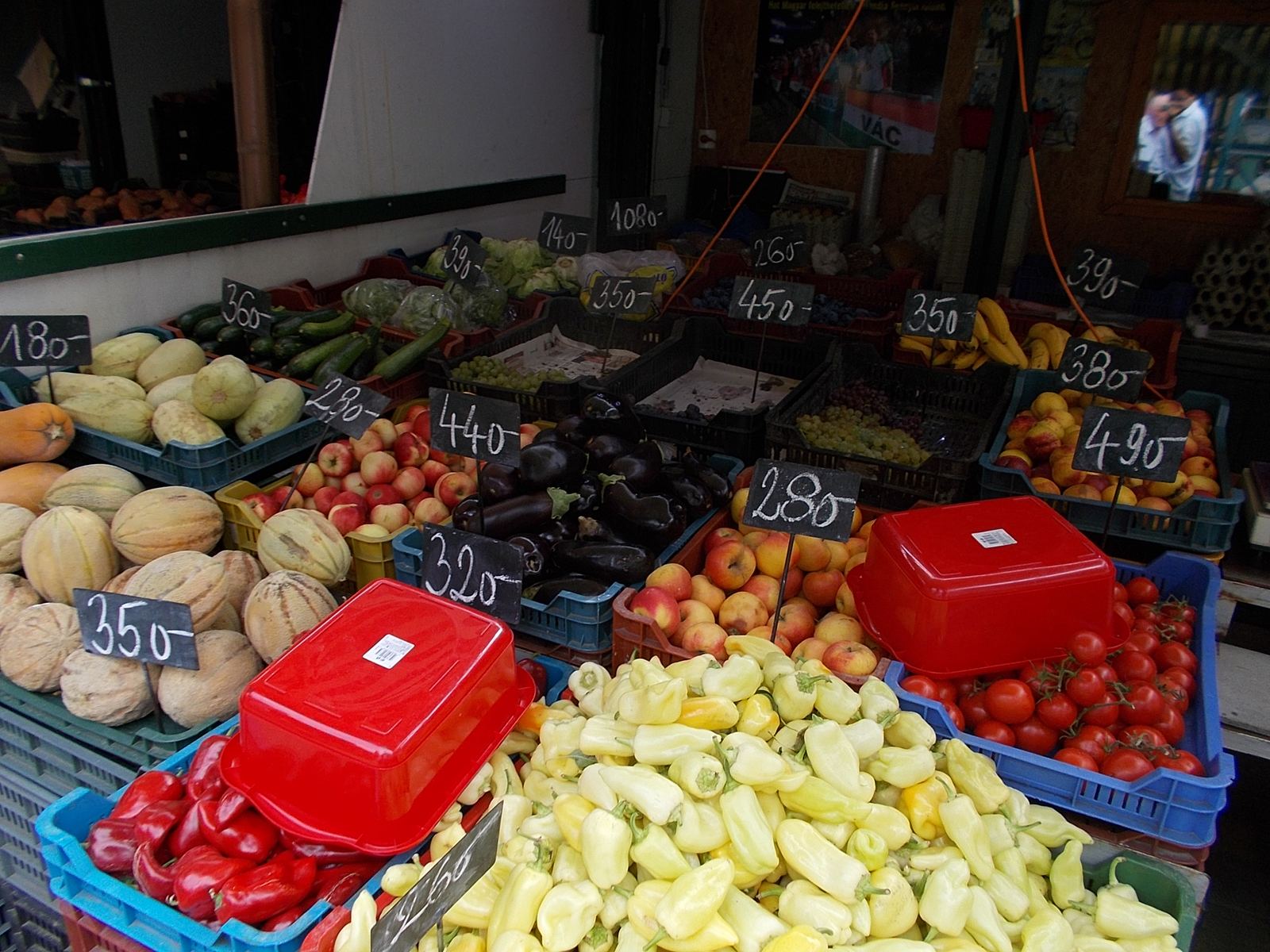
A colorful fruit and vegetable stall: Globetrotter19, CC BY-SA 3.0
The four big ideas
The WHO says healthy diets come in many forms, but they share four principles: adequacy (enough of the nutrients you need), balance (energy in matches energy out), moderation (limiting foods that may harm health) and diversity (a wide variety of foods). The foundation is minimally processed and unprocessed foods that are low in unhealthy fats, free sugars and sodium.
The NHS Eatwell Guide adds a helpful reminder: you do not have to get the balance right at every meal. Aim for it over a day, or even a week.
Fill up on plants and whole grains
The WHO recommends that everyone over 10 eat at least 400 grams of fruit and vegetables a day, and at least 25 grams of naturally occurring fiber from foods such as whole grains, vegetables, fruits and pulses. In the UK, the NHS turns this into 5 A Day, where 80 grams of fresh, canned or frozen fruit or vegetables counts as one portion, ideally without added sugar or salt.
The NHS suggests fruit and vegetables make up just over a third of what we eat, with starchy foods like potatoes, bread, rice and pasta making up just over another third, choosing wholegrain or higher fiber versions where possible.
Go easy on sugar, salt and some fats
The WHO advises keeping free sugars below 10% of daily energy, about 50 grams or 12 level teaspoons for someone eating around 2000 calories, with further benefits below 5%. Free sugars include sugar added to foods and drinks plus sugars in honey, syrups and fruit juice. Adults should keep salt below 5 grams a day, and the WHO notes that in many countries most salt comes from processed foods.
For fats, the WHO recommends no more than 10% of energy from saturated fat and favors unsaturated fats found in fish, avocado, nuts and oils such as olive, sunflower and canola. Industrially produced trans fats should be avoided.
Protein and everyday swaps
The NHS suggests beans, pulses, fish, eggs and lean meats, at least 2 portions of fish a week with one of them oily, and less red and processed meat. Small swaps add up: water instead of sugary drinks, steaming or boiling instead of frying, and fruit instead of sweets. If you have a medical condition, allergies or special dietary needs, a licensed healthcare provider or registered dietitian can give personal advice.
Facts on this page were checked against these sources.
- A colorful fruit and vegetable stall: Globetrotter19, CC BY-SA 3.0
Text written by Microscopic Doctor.