Hydration
Water, thirst and the color check. Why water matters, how much fluid adults roughly need, the simple pee color check from the NHS, and easy ways to drink more water.
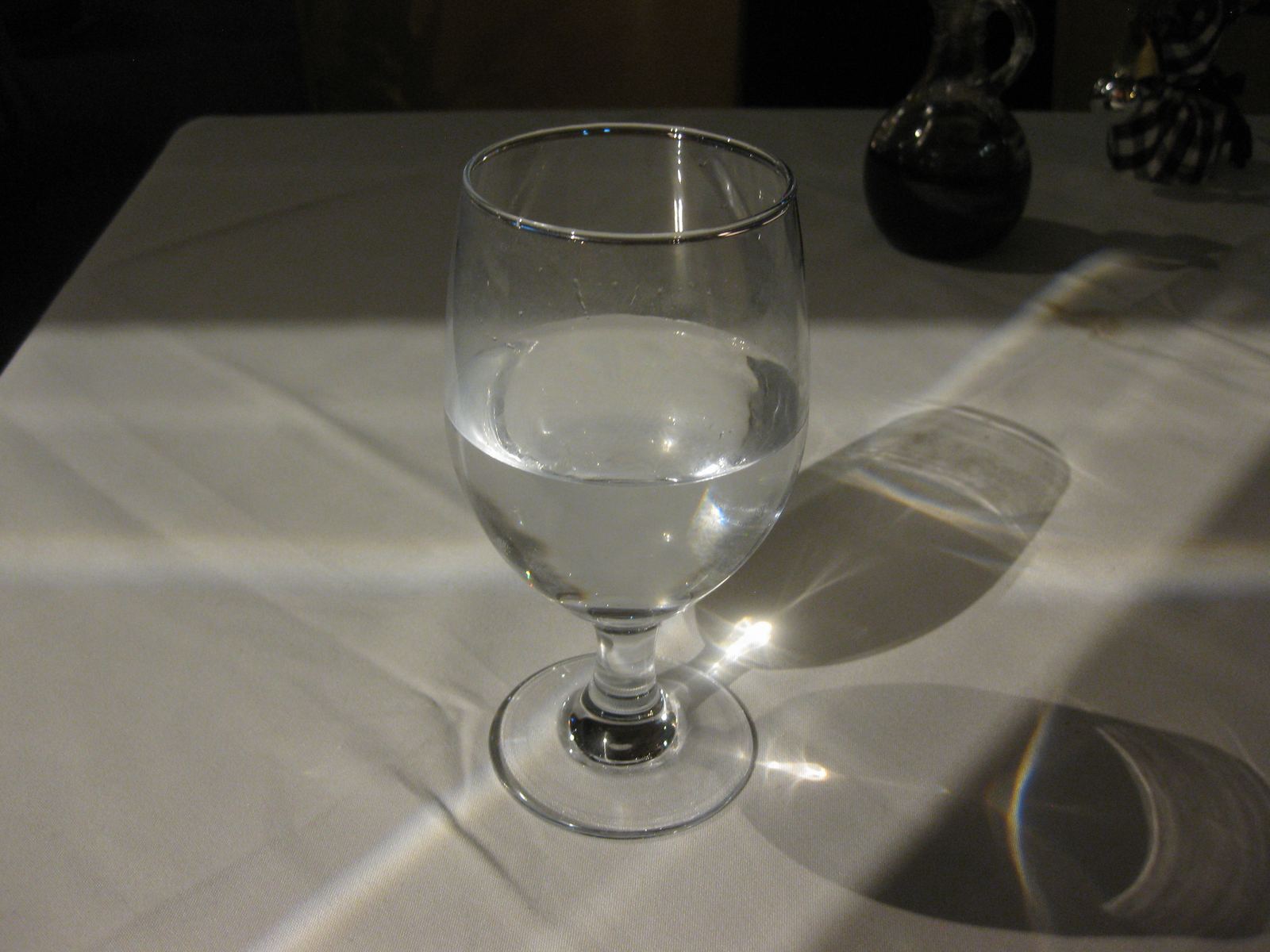
A glass of water in the sun: MarshyBoardwalk, CC0
What water does inside you
Water is the quiet worker in every cell. MedlinePlus, from the US National Library of Medicine, notes that water makes up more than two-thirds of the weight of the human body and that every cell and organ needs it to work. The CDC explains that water helps keep a normal body temperature, lubricates and cushions joints, protects the spinal cord and other sensitive tissues, and helps the body get rid of waste.
Not getting enough leads to dehydration. The CDC says it can cause unclear thinking, mood changes, overheating, constipation and kidney stones.
How much is enough
There is no single magic number. MedlinePlus gives the Dietary Reference Intake for adults as about 2.7 to 3.7 liters (91 to 125 fluid ounces) of water a day, but that counts all water from food and drinks together, and personal needs depend on sex, weight, age, activity and health. It adds that drinking when you feel thirsty and having drinks with meals usually keeps people hydrated.
In the UK, the NHS Eatwell Guide suggests aiming for 6 to 8 cups or glasses of fluid a day. The NHS also offers an easy check: drink enough that your pee is a clear pale yellow. You may need more when it is hot, when you are active for a long time, when you are ill, or when pregnant or breastfeeding.
Which drinks count
Plain water is the simplest choice. The CDC points out it has no calories, so swapping sugary drinks for water can cut calories. Water, lower fat milk and lower sugar drinks, including tea and coffee, all count toward your daily fluids, according to the NHS. The NHS suggests keeping fruit juice and smoothies to a combined 150 ml a day, drunk with a meal, because they are high in sugar.
MedlinePlus notes that alcohol does not add to the body's water, because it makes the body release water.
Small tricks to drink more
The CDC suggests carrying a reusable water bottle, choosing water when eating out, serving water with meals and adding a wedge of lemon or lime for flavor. The NHS lists thirst, dark yellow strong-smelling pee, peeing less often, dizziness and tiredness as signs of dehydration. If those signs do not improve, or you have any personal concerns, a licensed healthcare professional can help.
- MedlinePlus: Water in diet
- CDC: About Water and Healthier Drinks
- NHS: Water, drinks and hydration
- NHS: Dehydration
Facts on this page were checked against these sources.
- A glass of water in the sun: MarshyBoardwalk, CC0
Text written by Microscopic Doctor.