Hand Washing
Twenty seconds that stop germs traveling. The five CDC hand washing steps, why 20 seconds of scrubbing matters, the key times to wash, and when a 60% alcohol sanitizer helps.
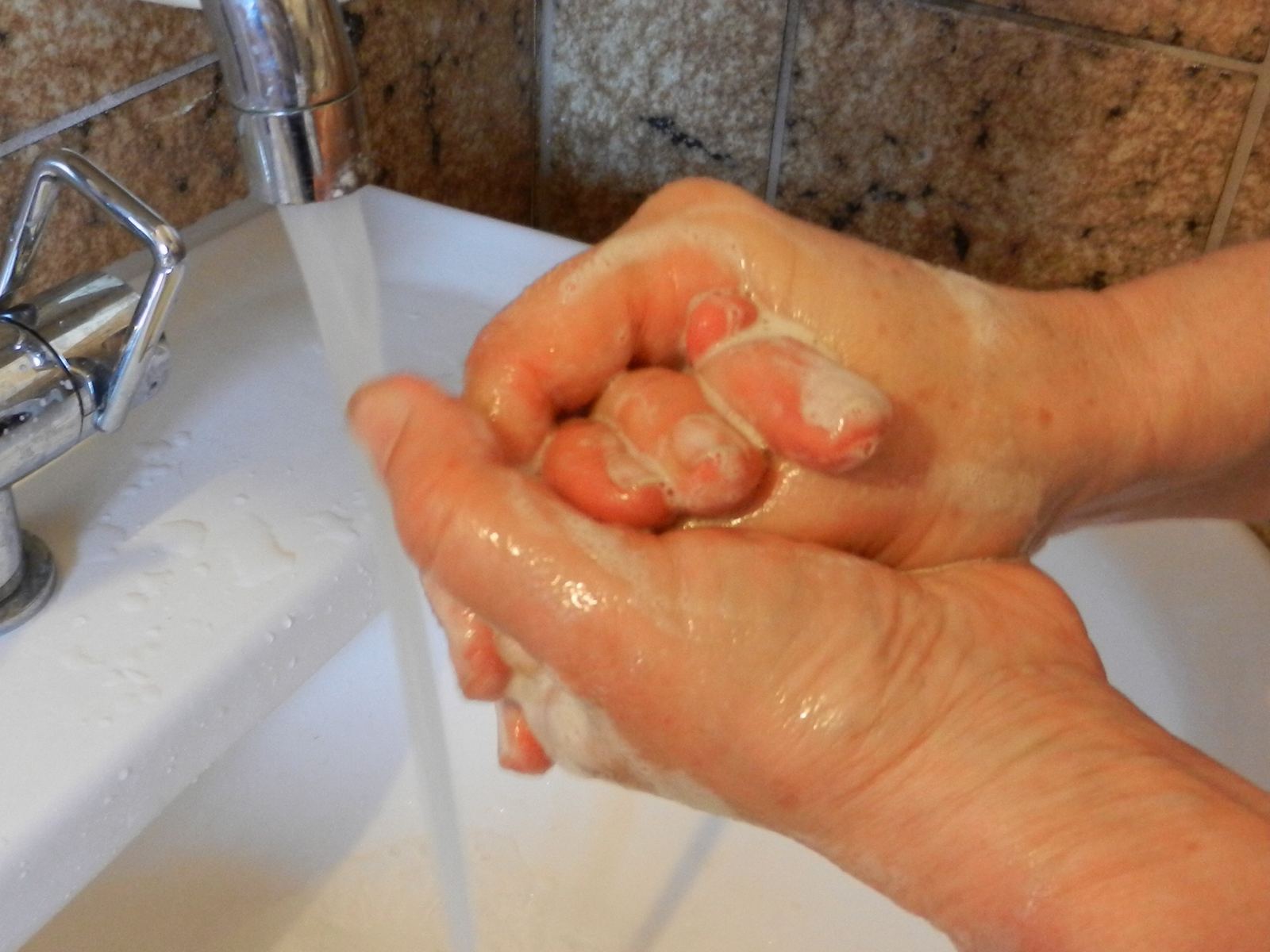
Lather, scrub, rinse: Beat Ruest, CC BY-SA 4.0
Why soap and water work
Germs hitch rides on hands. The CDC explains that they spread when people touch their eyes, nose and mouth with unwashed hands, prepare food or eat with unwashed hands, touch surfaces with germs on them, or cough and sneeze into their hands and then touch other people or shared objects. Washing with soap and clean running water helps prevent respiratory and diarrheal infections, and the CDC calls it one of the best ways to stay healthy.
The NHS adds that proper hand washing removes dirt, viruses and bacteria, which helps stop illnesses such as food poisoning and flu from spreading.
The five steps
The CDC breaks it into five steps. Wet your hands with clean, running water, warm or cold, turn off the tap and apply soap. Lather by rubbing your hands together, including the backs of your hands, between your fingers and under your nails. Scrub for at least 20 seconds. Rinse well under clean running water. Dry with a clean towel or an air dryer.
Twenty seconds is longer than most people think. The CDC and NHS both suggest humming Happy Birthday from start to finish twice. The NHS also reminds people to rub the thumbs and fingertips, two spots that are easy to miss.
Key times to wash
The CDC lists the moments that matter most: before, during and after preparing food; before and after eating; before and after caring for someone who is sick with vomiting or diarrhea; before and after treating a cut or wound; after using the toilet or changing diapers; after blowing your nose, coughing or sneezing; after touching an animal, animal food or animal waste; after handling pet food or treats; and after touching garbage.
When sanitizer is the backup
Soap and water are best in most situations, according to the CDC. When they are not available, an alcohol-based hand sanitizer with at least 60% alcohol is a good backup, and you can check the percentage on the label.
Make it a family habit. Kids copy what they see, so washing together before meals turns a chore into a routine. If a cut or wound looks infected or will not heal, ask a licensed healthcare professional to check it.
Facts on this page were checked against these sources.
- Lather, scrub, rinse: Beat Ruest, CC BY-SA 4.0
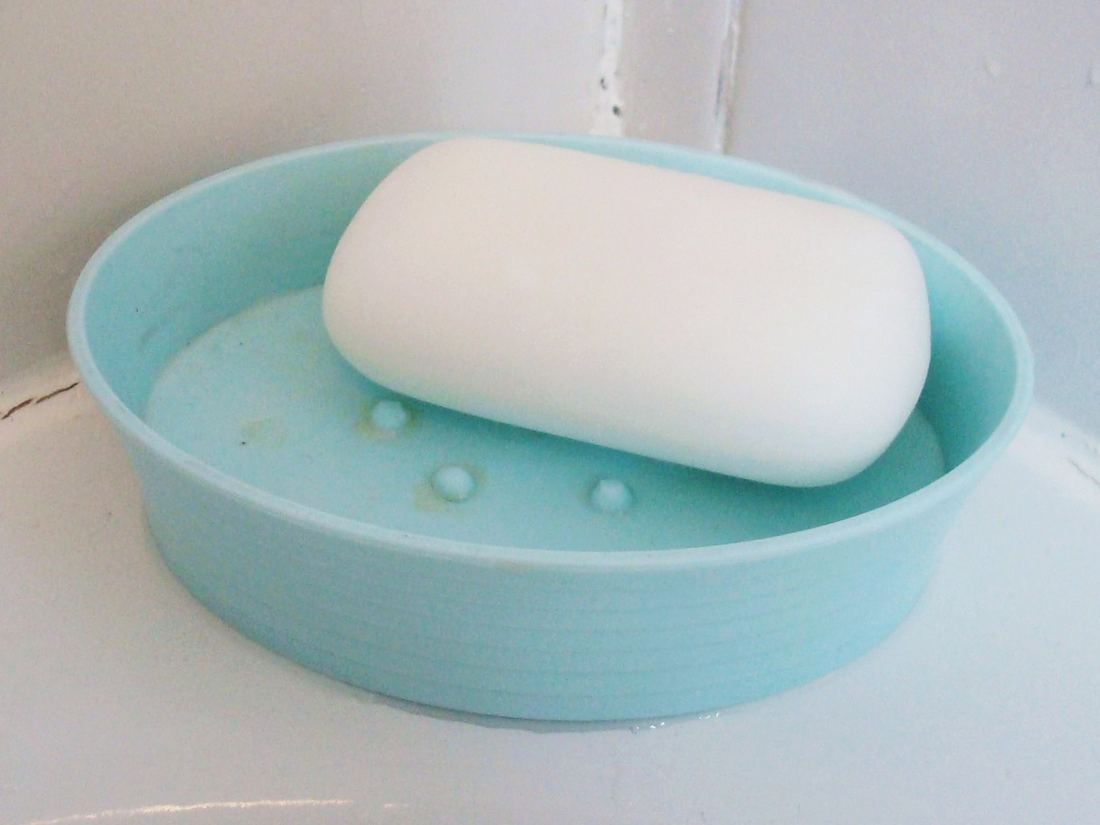
- A simple bar of soap: TheLewisRepublic, Public domain
Text written by Microscopic Doctor.