Vaccines Basics
How a practice run trains immunity. How vaccines teach the immune system to recognize germs, why some need several doses or boosters, and why timing matters, per the CDC and WHO.
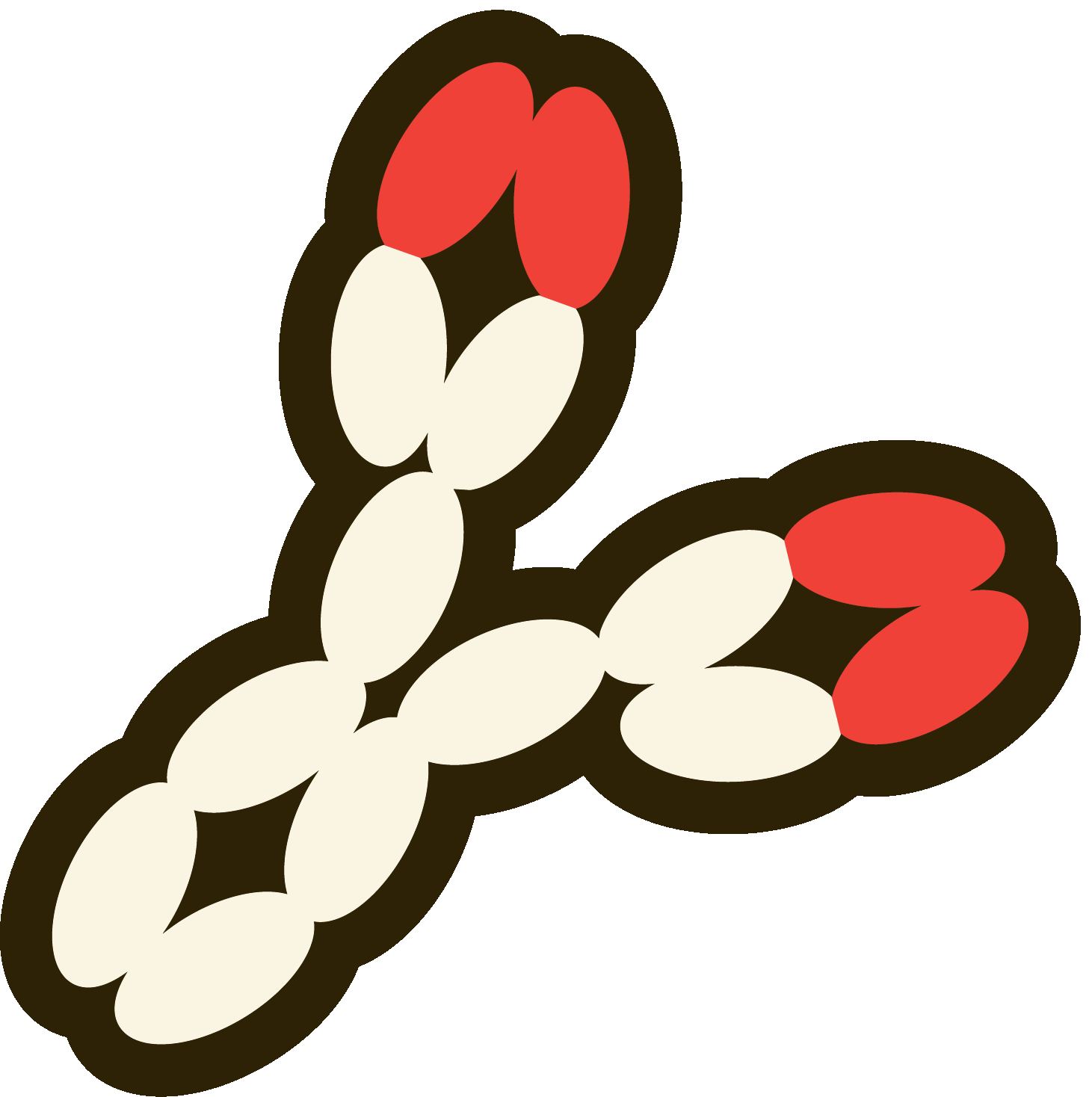
An antibody, the immune system's tag: NIAID / Ryan Kissinger, Public domain
A practice run for your immune system
Your immune system learns by meeting germs. The WHO explains that a vaccine trains it to make antibodies, the proteins that fight disease, without you having to get sick first, because vaccines contain only killed or weakened forms of germs. Your body then remembers how to fight that germ, so if you meet it later it can respond quickly.
The CDC describes vaccines as imitating an infection to engage the body's natural defenses. The active ingredient in every vaccine is an antigen, which can be a weakened or killed germ, bits of its surface or genetic material, or a bacterial toxin made harmless.
What happens after a shot
The CDC notes that the immune response can cause tiredness or discomfort for a day or two, while the protection can last much longer. Immunity can take weeks to build, so it is possible to get infected soon after vaccination. Vaccinated people can still sometimes get sick, but the CDC says they are far less likely to die or become seriously ill.
Most vaccines are given as an injection, though the WHO notes some are given by mouth or sprayed into the nose.
Why some need more than one dose
A single dose often gives only partial protection. The CDC explains that live weakened vaccines usually need two doses, while non-live vaccines often need three or more and later boosters because protection fades. For example, the CDC says adults should get a tetanus booster every 10 years. Some vaccines are updated regularly because the viruses change, and the CDC recommends a flu vaccine every season for everyone 6 months and older, with rare exceptions.
Protecting each other
The WHO estimates childhood vaccines alone save over 4 million lives every year. It also points out that not everyone can be vaccinated, including very young babies and some people who are seriously ill or have certain allergies, so they depend on people around them being protected.
Vaccine schedules differ by age, health and country. A licensed healthcare provider can check your records, answer questions and tell you which vaccines are right for you or your child. The WHO notes that in most countries you receive a vaccination card showing which vaccines you have had and when the next doses are due.
- CDC: Explaining How Vaccines Work
- WHO: Vaccines and immunization: What is vaccination?
- CDC: Vaccine Basics
- CDC: Seasonal Flu Vaccine Basics
Facts on this page were checked against these sources.
- An antibody, the immune system's tag: NIAID / Ryan Kissinger, Public domain
- A vaccine vial: NIAID / Ryan Kissinger, Public domain
Text written by Microscopic Doctor.