Heart Health Basics
Know your numbers, protect your pump. Heart disease basics from the CDC and NHLBI: the key risk factors, everyday habits that protect your heart, and how often to check your numbers.
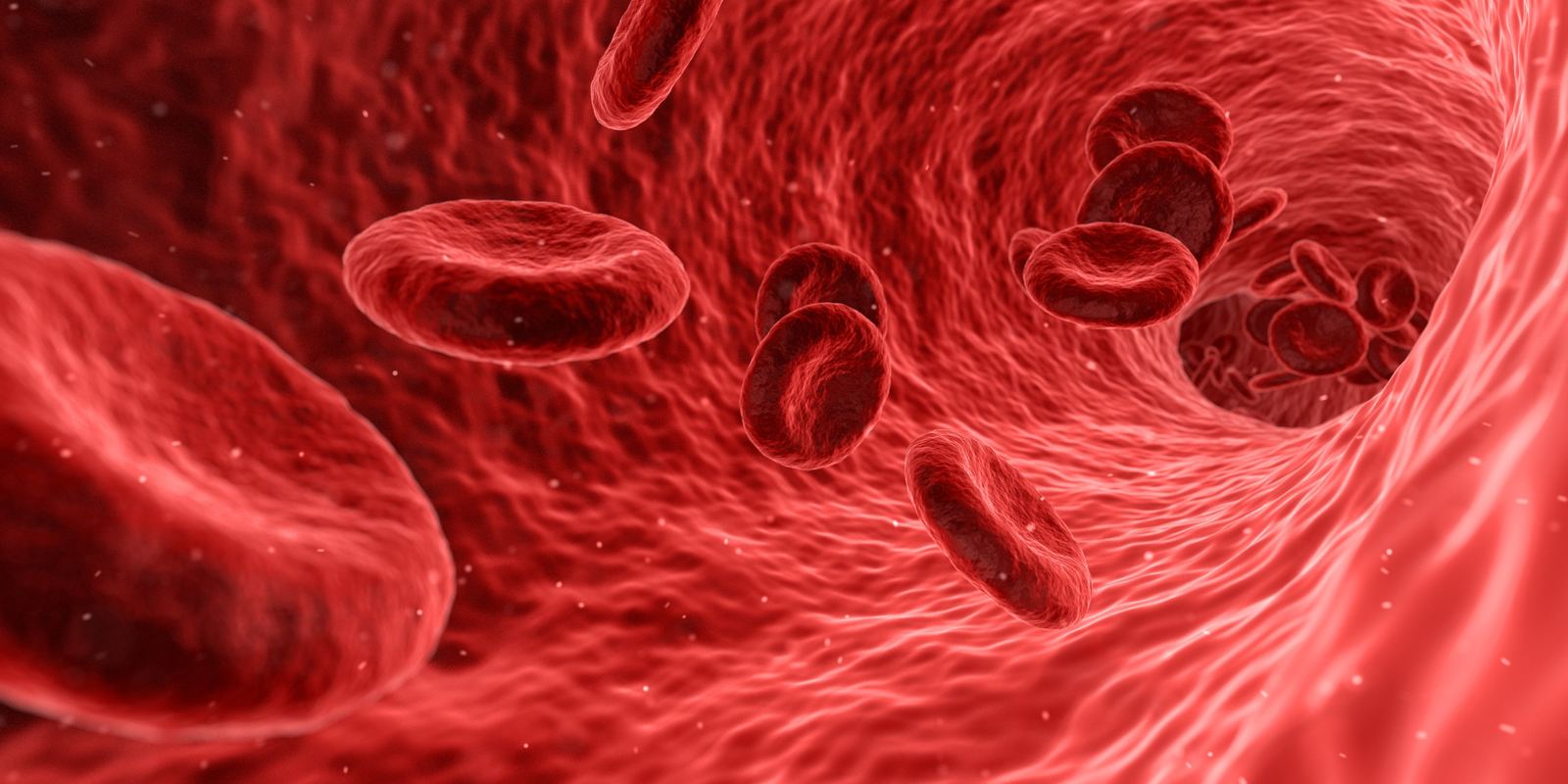
Red blood cells on the move: Arek Socha, CC0
What heart disease means
Heart disease is not one illness but a group of heart conditions. The CDC says the most common type in the United States is coronary artery disease, which affects blood flow to the heart and can lead to a heart attack. About 1 in every 5 deaths in the US is due to heart disease.
It can be silent. The CDC notes some people are not diagnosed until they have signs of a heart attack, heart failure or an irregular heartbeat, which is one reason regular checkups matter. When symptoms of a heart attack do appear, the CDC lists chest pain or discomfort, upper back or neck pain, nausea or vomiting, extreme fatigue, dizziness and shortness of breath.
The big three risk factors
The CDC names high blood pressure, high blood cholesterol and smoking as key risk factors, and says about half of people in the US (47%) have at least one of the three. Diabetes, overweight and obesity, an unhealthy diet, physical inactivity and excessive alcohol use also raise risk.
The NHLBI, part of the National Institutes of Health, frames heart-healthy living as understanding your risk, making healthy choices and taking steps to lower your chances of heart disease.
Everyday habits that help
The CDC's prevention advice is practical. Eat plenty of fresh fruits and vegetables and fewer processed foods, choose foods high in fiber and low in saturated and trans fat, and limit salt and sugar. Keep a healthy weight. Get moving: for adults, the CDC cites 2 hours and 30 minutes of moderate activity such as brisk walking or cycling each week, and 1 hour a day for children and teens. Do not smoke, and if you do, quitting lowers your risk. Drinking less alcohol may help lower blood pressure.
Know your numbers
High blood pressure usually has no symptoms, so the CDC says it should be checked at least once a year if you have never had high blood pressure or other risk factors, and more often if you have. Cholesterol should be tested at least once every 4 to 6 years, or more often with a family history or a past diagnosis.
Your licensed healthcare provider can explain what your results mean for you. And if you ever notice chest pain or other heart attack signs, call 911 right away.

Facts on this page were checked against these sources.
- Red blood cells on the move: Arek Socha, CC0
- A stethoscope: Jacek Halicki, CC BY-SA 4.0
Text written by Microscopic Doctor.