Posture and Desk Setup
Sit smarter, move more often. What good posture means for your spine, how to set up a desk and chair comfortably, and why short movement breaks matter during the day.
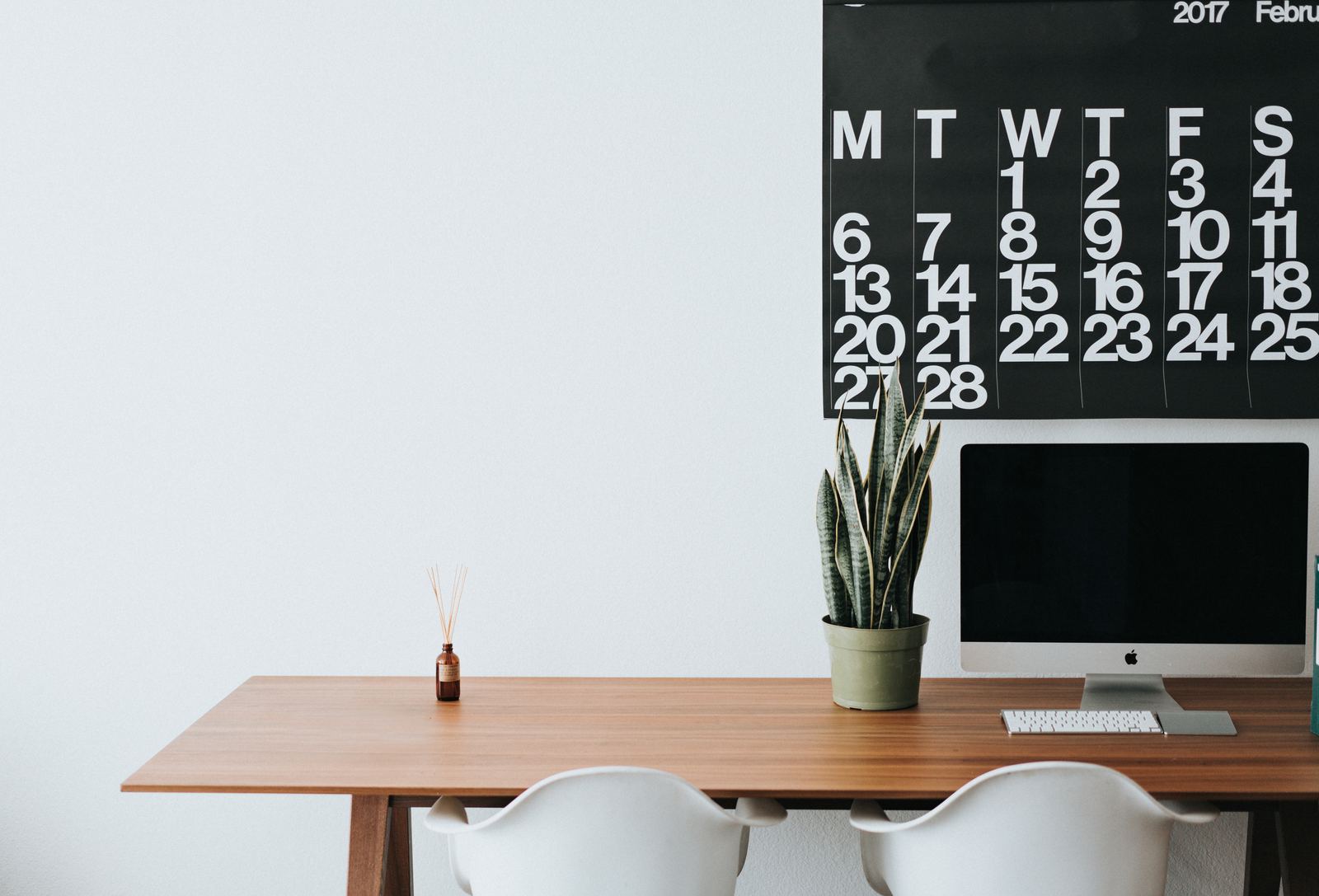
A tidy desk setup: Roman Bozhko romanbozhko, CC0
What good posture actually is
Posture is simply how you hold your body. MedlinePlus describes two types: dynamic posture, how you hold yourself while moving, and static posture, how you hold yourself while sitting, standing or sleeping. The key is the spine, which has three natural curves at the neck, mid back and low back. Good posture keeps those curves without exaggerating them, with the head above the shoulders and the shoulders over the hips.
Slouching over time can cause neck, shoulder and back pain, reduce flexibility, affect balance and even make breathing and digestion harder, according to MedlinePlus.
Setting up your desk and chair
MedlinePlus offers a practical checklist for sitting. Keep your feet on the floor, or use a footrest if they do not reach, with your ankles in front of your knees and your legs uncrossed. Relax your shoulders so they are neither rounded nor pulled back. Keep elbows close to your body and bent at about 90 to 120 degrees. Make sure your back is fully supported, using a cushion for the lower back if the chair does not curve there, and keep thighs and hips roughly parallel to the floor.
Work surfaces should sit at a comfortable height, whether you are at a computer, cooking or eating.
Movement beats the perfect position
No posture is good for hours on end. MedlinePlus recommends switching sitting positions often, taking brief walks around your home or office, and gently stretching every so often. Staying active, strengthening your core and keeping a healthy weight all support good posture.
At work, the CDC's National Institute for Occupational Safety and Health (NIOSH) explains that ergonomics means fitting tasks, tools, lighting and equipment to the person, which helps reduce muscle and joint problems linked to repetitive motion and awkward postures.
When aches stick around
The NHS notes that repetitive strain injury can come from repeated movements such as typing, or from poor posture at work, and may cause pain, stiffness, tingling or weakness. It often gets better, but if symptoms are not going away or are getting worse, see a licensed healthcare professional such as your doctor or a physical therapist. The NHS also suggests talking to your employer about changing the way you work if a task keeps causing pain.
- MedlinePlus: Guide to Good Posture
- CDC NIOSH: About Ergonomics and Work-Related Musculoskeletal Disorders
- NHS: Repetitive strain injury (RSI)
Facts on this page were checked against these sources.
- A tidy desk setup: Roman Bozhko romanbozhko, CC0
Text written by Microscopic Doctor.