Sun Safety
Shade, hats and the right sunscreen. Sun safety basics from the CDC and NHS: when UV rays are strongest, which SPF to choose, how often to reapply and why shade and hats matter.
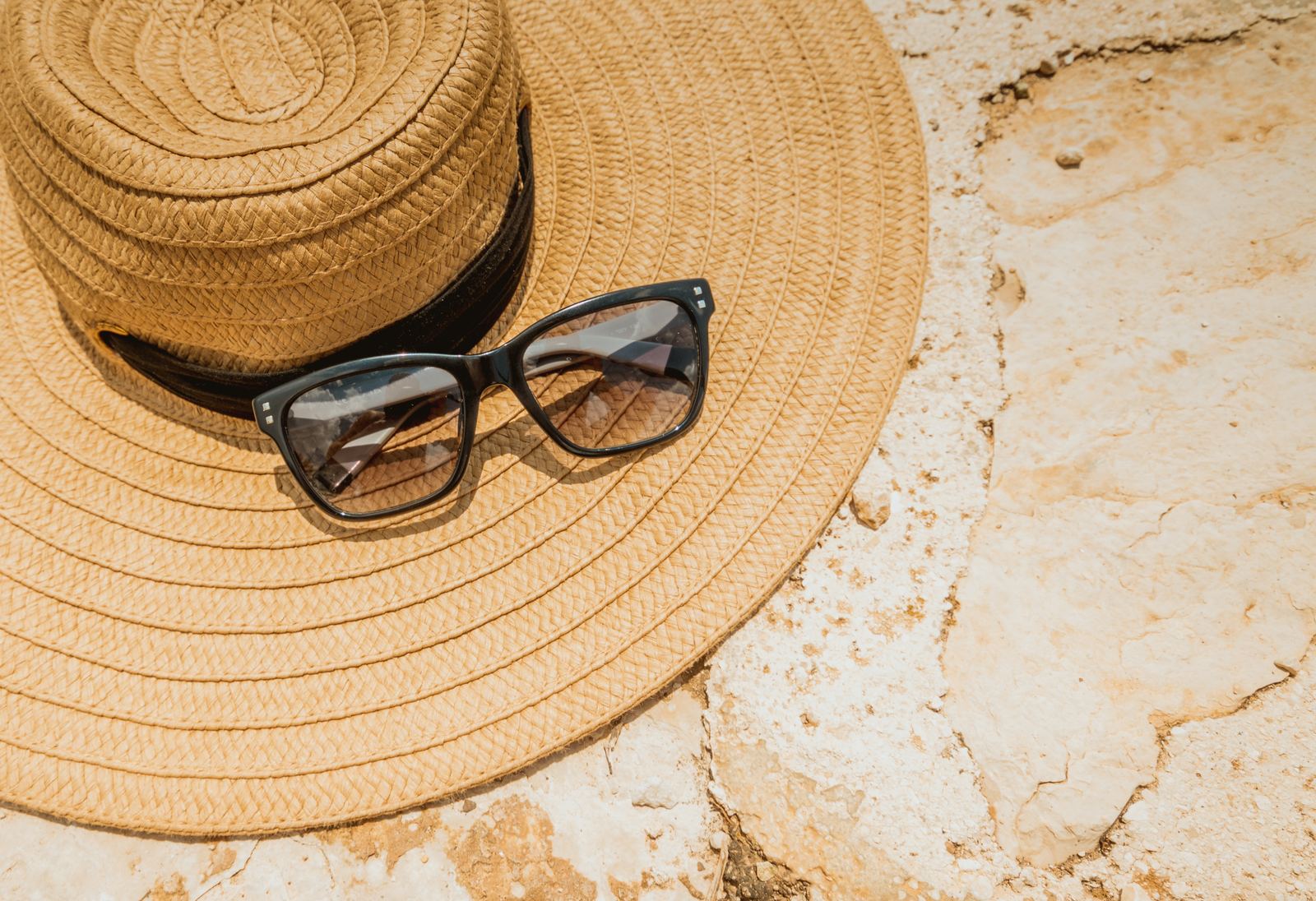
Hat and sunglasses on the beach: Jernej Furman from Slovenia, CC BY 2.0
Why UV rays matter
Sunlight carries ultraviolet (UV) rays you cannot see or feel. The CDC says most skin cancers are caused by too much UV exposure and that skin cancer is the most common cancer in the United States. UV rays reach you on cloudy and cool days too, and they bounce off water, cement, sand and snow, so sun safety matters all year.
The NHS adds that there is no safe or healthy way to get a tan, and that a tan does not protect your skin.
Timing and shade
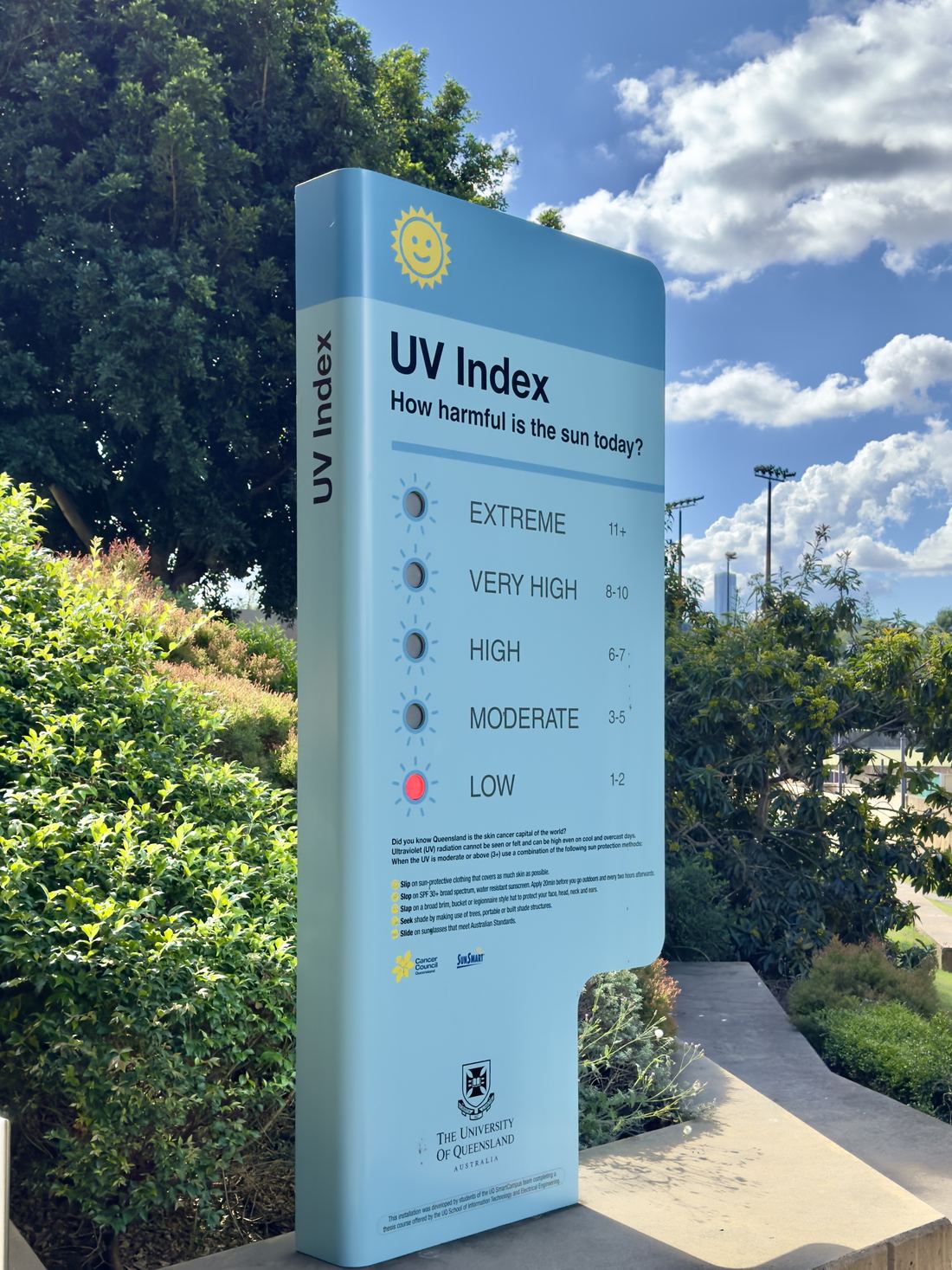
In the continental United States, the CDC says UV rays are strongest from 10 a.m. to 4 p.m. during daylight saving time. In the UK, the NHS points to 11am to 3pm from March to October. Both suggest checking the daily UV Index and protecting your skin when it reaches 3 or higher.
Shade from a tree, umbrella or shelter helps, but the CDC notes that sunscreen and covering clothing are still wise in the shade.
Clothes, hats and sunglasses
Tightly woven fabric gives the best protection, according to the CDC, and a dry T-shirt protects better than a wet one. A hat with a brim all the way around shades the face, ears and back of the neck, while a baseball cap leaves the ears and neck exposed. Sunglasses that block both UVA and UVB protect the eyes and the skin around them, and wrap-around styles block light from the sides.
Choosing and using sunscreen
Here the two agencies set slightly different minimums. The CDC recommends a broad spectrum sunscreen with SPF 15 or higher. The NHS recommends at least SPF 30 plus at least 4-star UVA protection. A broad spectrum SPF 30 sunscreen meets both. Put a thick layer on all exposed skin before going out, and reapply if you stay out more than 2 hours and after swimming, sweating or toweling off. Check the expiry date.
Babies need extra care. The CDC notes sunscreen is not recommended for babies 6 months or younger, and the NHS advises keeping babies under 6 months out of direct sunlight. If you notice a mole or skin patch that changes, ask a licensed healthcare professional to take a look.
Facts on this page were checked against these sources.
- Hat and sunglasses on the beach: Jernej Furman from Slovenia, CC BY 2.0
- A UV Index sign: Kgbo, CC BY-SA 4.0
Text written by Microscopic Doctor.